5 Places in the U.S. That Look Like They're in Another Country
 By Lauren Hayes
Some of the most European-looking places I've been to are in the U.S., and one is a three-hour train ride from Chicago.
A couple were built to look European on purpose, and a theme can wear thin by lunch. The others just look like somewhere else, in the right season.
Here are the five that made me think of another country, from closest to Chicago to farthest, with how I got there and what I'd do differently.
1. Holland, Michigan: the Netherlands by train
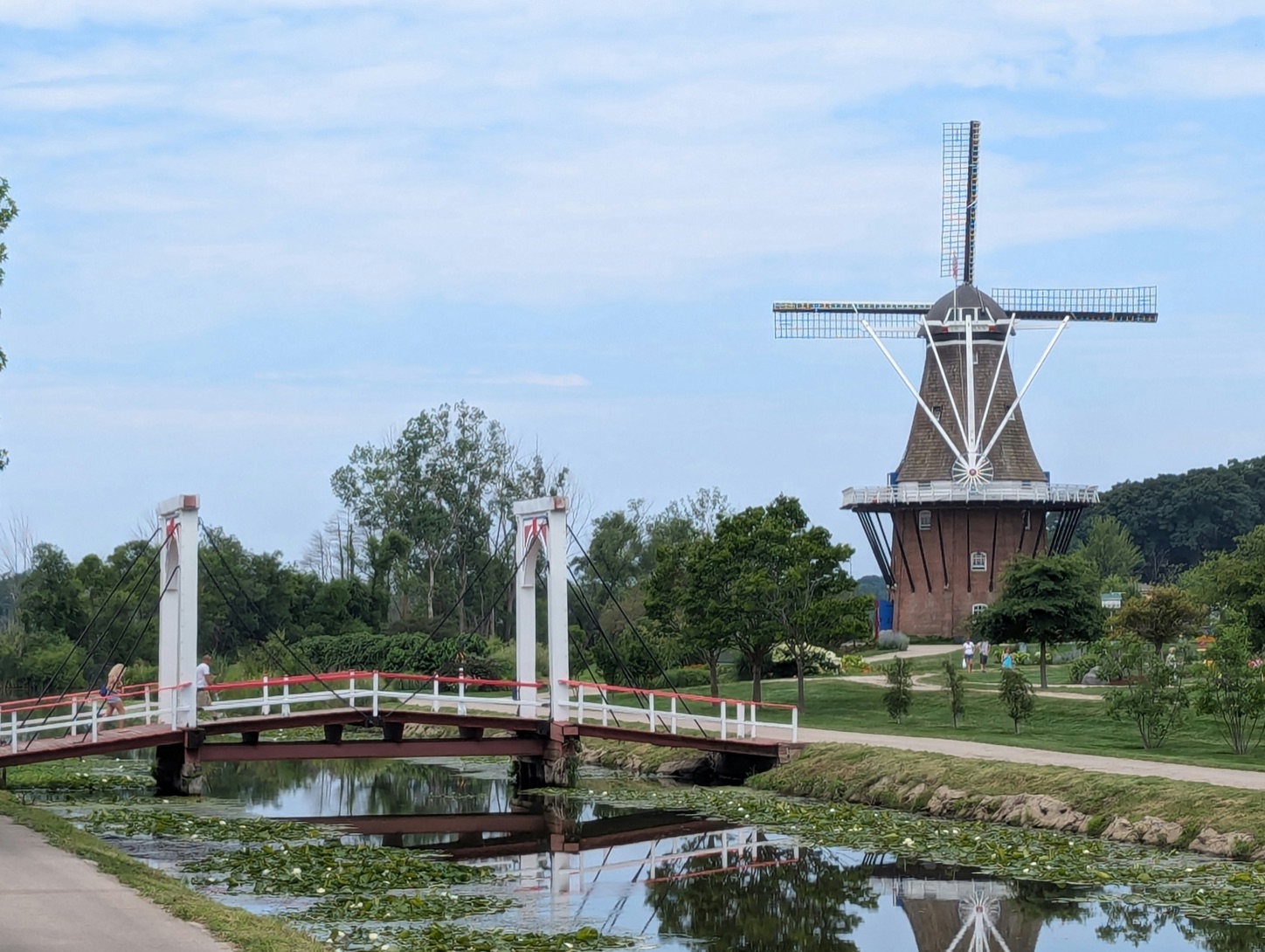
It's the only place on the list I reached without flying. Amtrak's 6:30 p.m. Pere Marquette from Union Station got me to Holland at 10:33 p.m. Michigan time, an hour ahead of Chicago.
I went in early May for Tulip Time, when the town looks the most Dutch. Windmill Island Gardens has canals, tulip fields and De Zwaan, a working windmill shipped over in 1964. The park says it was the last windmill the Netherlands allowed to leave.
Admission during the 2026 festival was $15 on a weekday. I went on a Tuesday in the rain, which kept the crowds down, and had the windmill's five floors almost to myself.
The catch: the only train back to Chicago leaves at 6:49 a.m., and the tulips usually last only from late April to mid-May.
Where: Holland, Michigan, near Lake Michigan
Best for: tulips and a weekend without flying
2. Tarpon Springs, Florida: a Greek harbor town
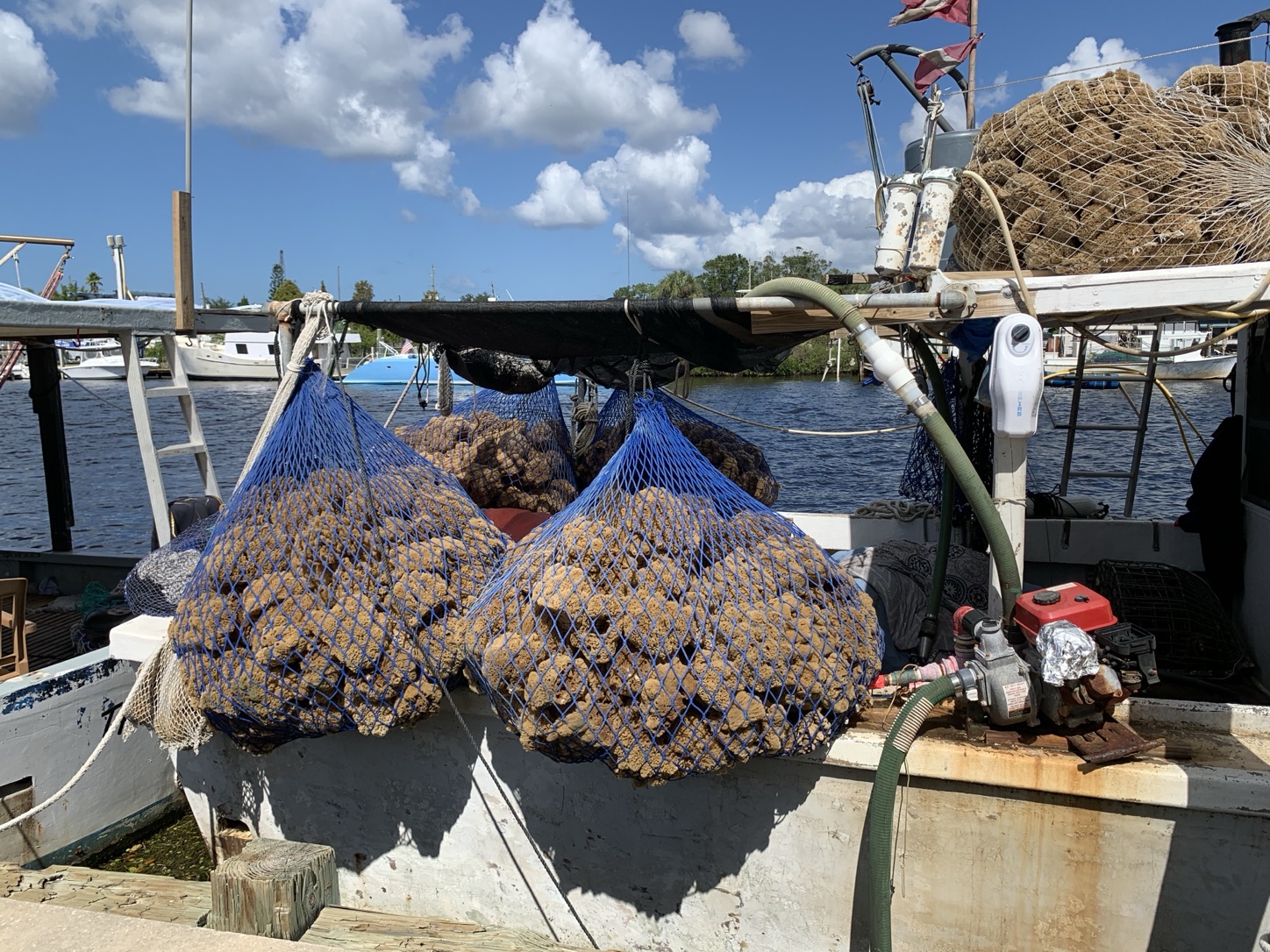
Greek sponge divers started arriving here in 1905. Pinellas County's tourism office says Tarpon Springs has the highest percentage of Greek Americans in the country.
I flew into Tampa in August and drove north to the Sponge Docks, where boats line one side of Dodecanese Boulevard and Greek bakeries the other.
The St. Nicholas Boat Line has run sponge diving trips since 1924. On mine, a diver in more than 170 pounds of old-style gear went down into the Anclote River and came back with a sponge. Call ahead, since not every trip has a diver.
Lunch was a Greek salad with potato salad under the lettuce, a local habit since the 1920s. It's better than it sounds.
August was the wrong call: hot and sticky, with a thunderstorm every afternoon. Next time I'll go on January 6 for Epiphany, when boys from the Greek community dive into Spring Bayou for a white cross.
Where: Tarpon Springs, Florida, north of Clearwater
Best for: Greek food and a day trip from Tampa
3. Ouray, Colorado: a Swiss valley in the Rockies
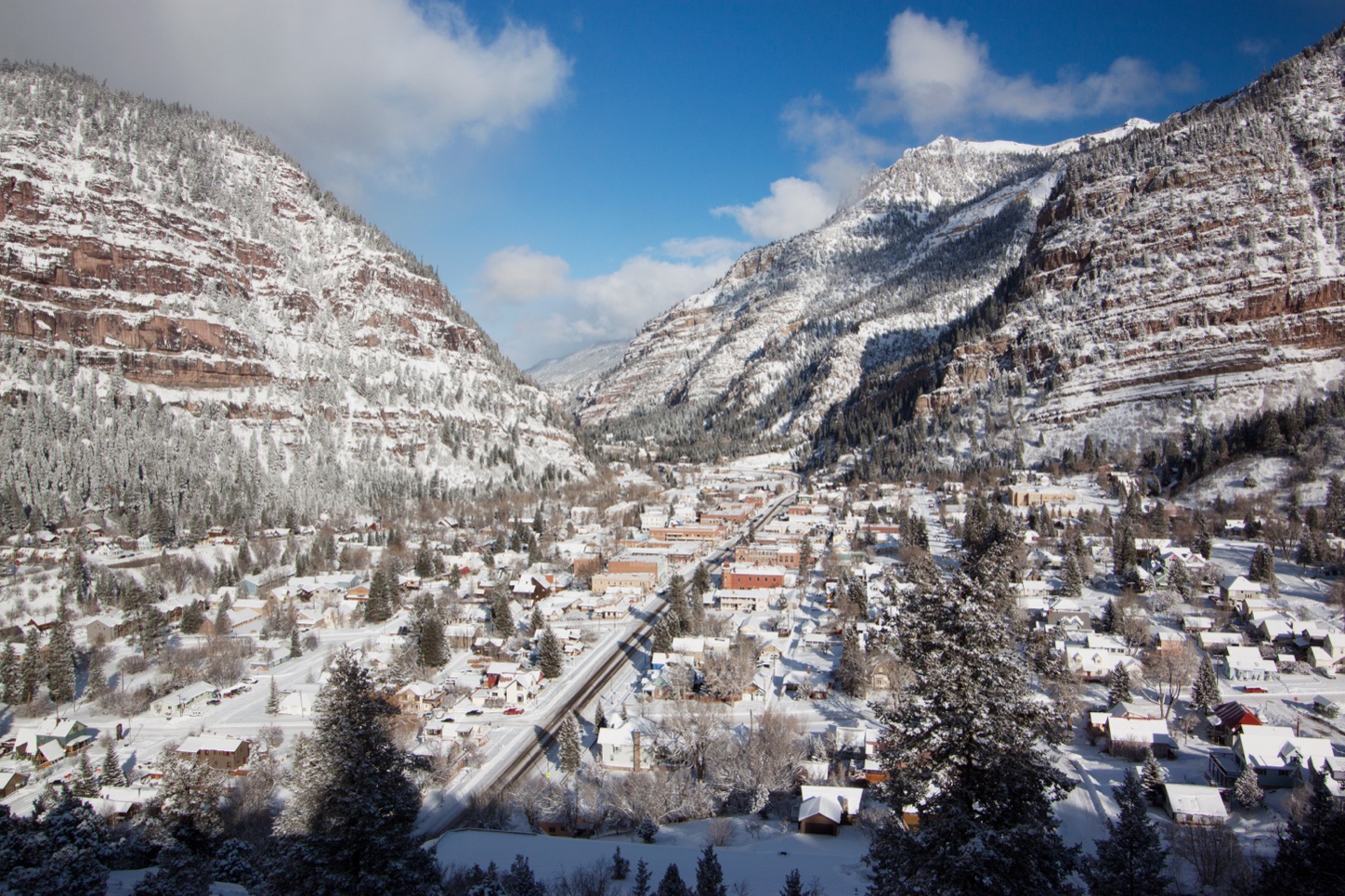
Ouray calls itself the Switzerland of America, and I rolled my eyes until I stood on Main Street this January. The town sits at 7,800 feet, with 12,000- and 13,000-foot peaks on almost every side.
The buildings are mining-town brick, nothing Swiss about them. It's the valley that does it: steep rock walls, snow and a narrow strip of town at the bottom.
I flew into Montrose, about 40 miles north, which has seasonal nonstop flights from O'Hare. In town, you can watch people climb frozen waterfalls at the free Ice Park. The hot springs pool is $30 for an adult day pass, worth it after a cold afternoon.
The downsides: at that altitude I had a headache the first night, and the Million Dollar Highway, 25 miles of hairpin turns to Silverton, was closed for snow the day I wanted to drive it.
Where: Ouray, in the San Juan Mountains of southwestern Colorado
Best for: snowy mountains and hot springs
4. The Palouse, Washington: Tuscany without the cypresses
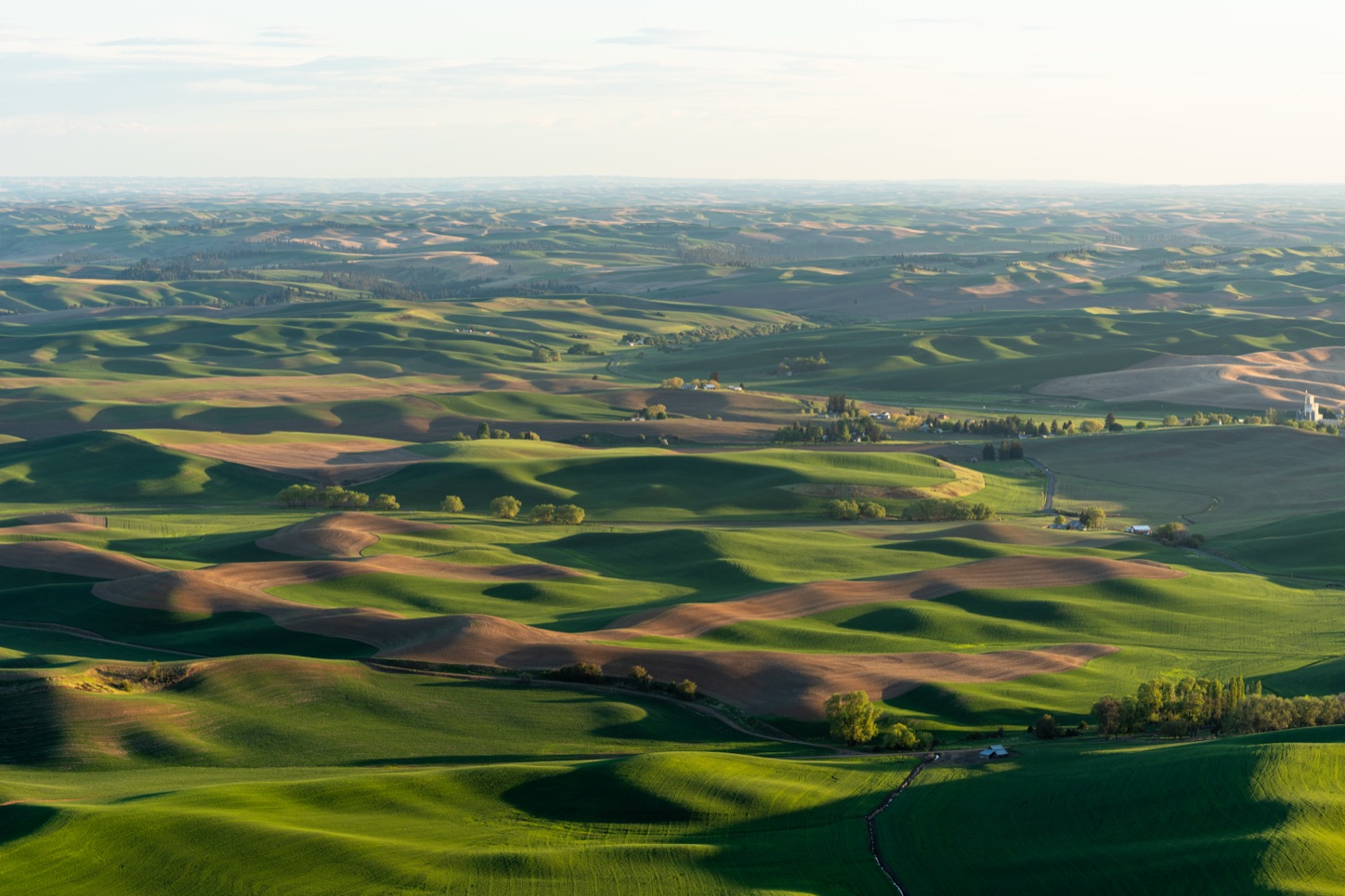
This one is all landscape: farmland in southeastern Washington, best seen from Steptoe Butte, a 3,612-foot butte with a road that circles to the top.
From up there, soft green hills roll to the horizon with a barn here and there. It's the closest thing to Tuscany I've seen in the U.S., minus the cypresses and stone farmhouses.
I flew into Spokane in early June and drove south on Highway 195. The hills stay green into early summer, then turn gold in July and August as the wheat ripens. You need a Discover Pass to park, and a one-day pass is $10 at the pay station.
It's not for everyone. There's no café, the summit shares space with radio towers and nearly everything you see is private farmland, so you look from the road. Bring lunch from Colfax, just south of the butte.
Where: Steptoe Butte State Park, near Colfax, Washington
Best for: photographers and a big, quiet view
5. Solvang, California: a Danish town in wine country
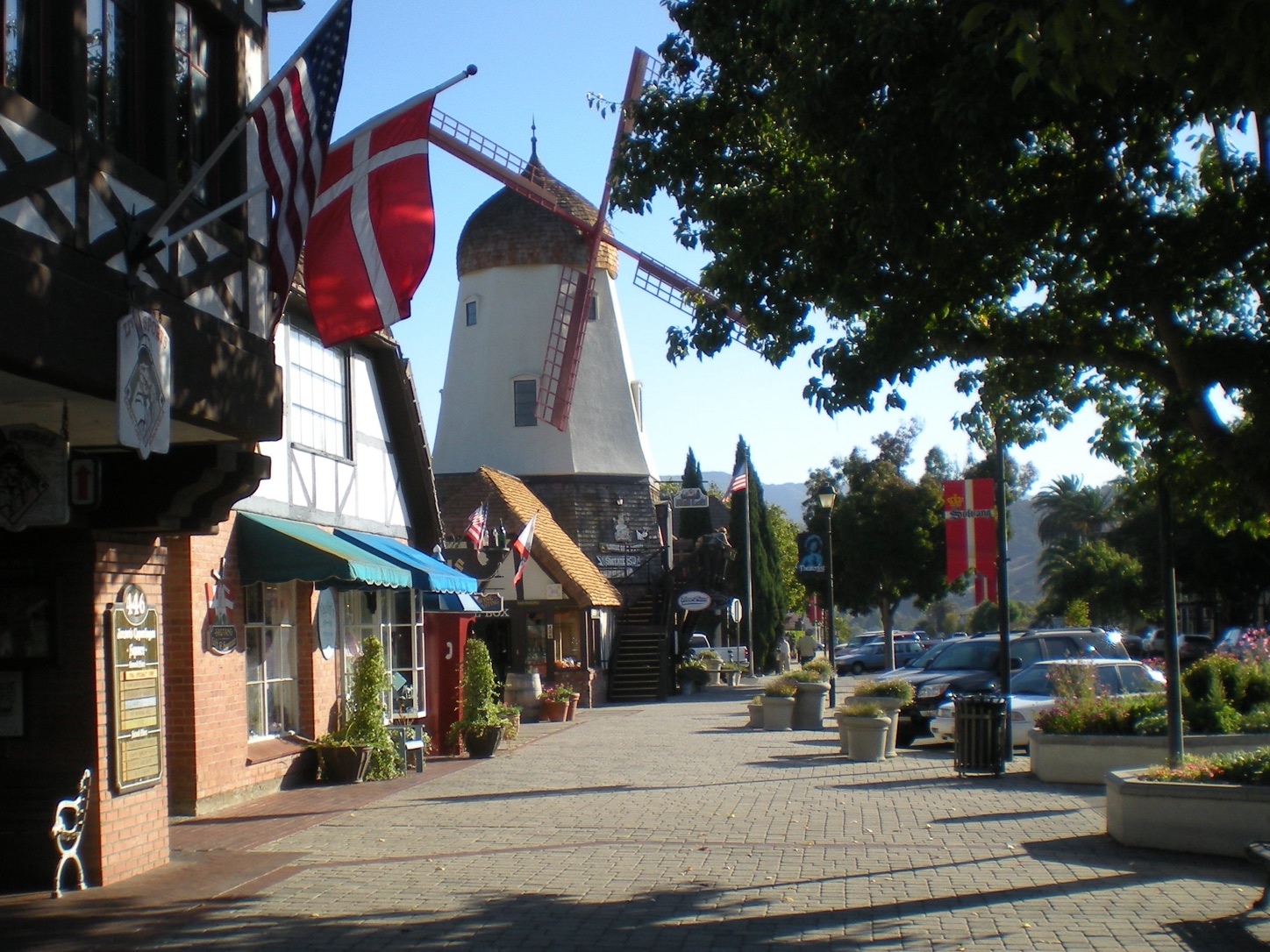
Danish-American teachers from the Midwest founded Solvang in 1911, and the name means "sunny fields." It rained my whole first day there, in February.
Most of the Danish-style facades went up after a 1947 magazine article made the town famous. It's a theme town, but a well-made one: four wooden windmills within four blocks, a half-size copy of the Little Mermaid and the only museum in the U.S. about Hans Christian Andersen. Parking is free.
Breakfast is the best part. Most bakeries open at 7 a.m., and the thing to order is aebleskiver, Danish pancake balls with powdered sugar and raspberry jam.
I flew into Santa Barbara, 30 miles south. If places built for visitors bother you, skip this one: on a sunny Saturday the sidewalks fill up, and a lot of storefronts are wine tasting rooms now.
Where: Solvang, in the Santa Ynez Valley, California
Best for: pastries and a slow morning in wine country
Which one would you pick?
None of these places is really another country, and two are working hard to look like one. What surprised me was the range: Dutch canals, Greek sponge boats, a Swiss-looking valley, Tuscan hills and Danish pastry.
If I could go back to only one, it would be Tarpon Springs, in January this time. What stayed with me was the food and the working boats, more than how the town looked. I still use the sponge I bought on the docks.
Which of the five would you pick?